
Educational Guides
What is Mimosa Hostilis Root Bark and Its Benefits?

Feb
Introduction to Mimosa Hostilis Root Bark
Mimosa Hostilis Root Bark is derived from the Tenuiflora tree, native to regions of Brazil and Mexico. Often called Jurema Preta or Tepezcohuite, its inner root bark is deep purple and packed with bioactive compounds. Known for centuries for medicinal, ceremonial, and cosmetic uses, it is now a premium botanical for enthusiasts, herbalists, and researchers alike.
Sourced sustainably, Mimosa Hostilis Root Bark USA ensures consistent quality and ethical practices, making it a trusted choice for buyers across the country.
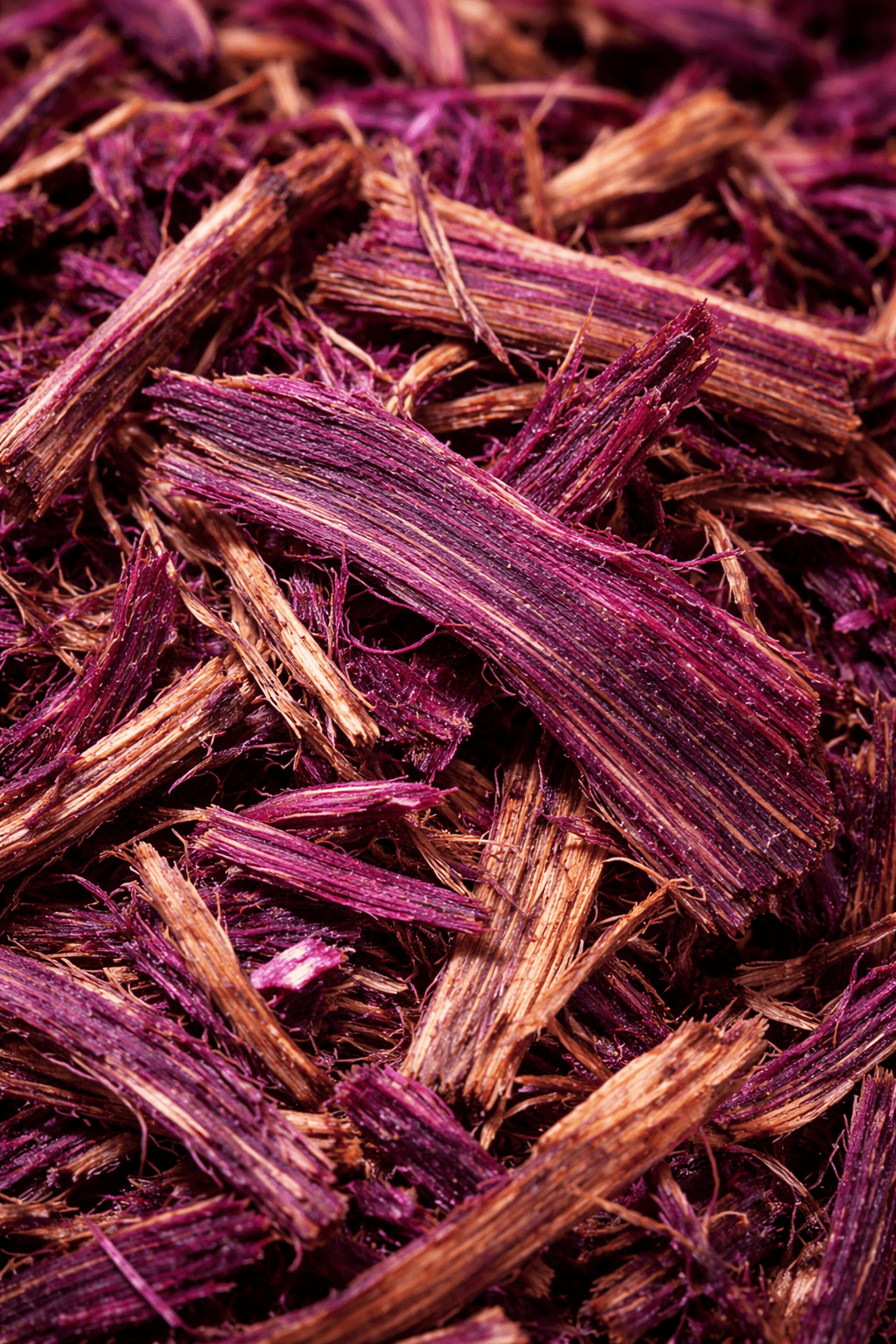
Composition of Mimosa Hostilis Root Bark
MHRB contains a unique blend of compounds:
-
Tannins – natural astringents for skin and dyeing
-
Saponins – foam-producing compounds used in traditional remedies
-
Lupeol & Phytosterols – anti-inflammatory properties
-
Glucosides & sugars – xylose, rhamnose, arabinose
-
Methoxychalcones, kukulkanins, labdane diterpenoids – enhance potency for herbal applications
This composition makes it versatile for natural dyeing, skin care, and research projects.
Historical and Traditional Uses
-
Medicinal – Used by indigenous tribes for burns, wounds, and skin healing.
-
Cosmetic – Tepezcohuite-based pastes for scar and anti-aging treatment.
-
Dyeing – Provides rich brown and purple hues for textiles and art.
-
Spiritual – Incorporated into ceremonial rituals in South America.
Modern Applications
-
Herbal medicine – Integrated into salves and topical pastes.
-
Cosmetics industry – Natural ingredient in skincare products.
-
Art and crafts – Dye for fabrics, paper, and leather.
“Shop premium Mimosa Hostilis Root Bark in the USA today for your next project.”
H2: Choosing the Right Quality
-
Always choose lab-tested MHRB for purity.
-
Source from ethical suppliers supporting sustainable practices.
-
Sizes range from 100g to 20kg for personal, small-scale, or bulk use.
